Every day, people worldwide struggle with poor circulation and stiff, restricted movement, not just as an annoyance, but as a real health concern. According to the American Heart Association’s 2026 report, nearly half of U.S. adults live with some form of cardiovascular disease, conditions closely linked to inefficient blood flow. When blood and lymphatic circulation slow, muscles receive less oxygen and nutrients, waste products accumulate, swelling can increase, and joints become stiff.
Targeted pressure techniques, including compression therapy and precision deep tissue massage, work by applying controlled pressure to specific tissues. These methods help open blood vessels, reduce fluid buildup, and enhance mobility, supporting more effective nutrient and fluid delivery while easing pain and stiffness. In this blog, you will learn how these techniques work, the science behind them, and practical ways to improve circulation and mobility. Keep reading.
Understanding Targeted Pressure Techniques and Their Benefits
Targeted pressure techniques refer to therapeutic methods that apply controlled force directly to muscles, connective tissues, or lymphatic pathways to influence how blood and fluids move through the body. These techniques go beyond a simple relaxing rub; they are precise, intentional, and designed to bring real physiological benefits.
Common Types
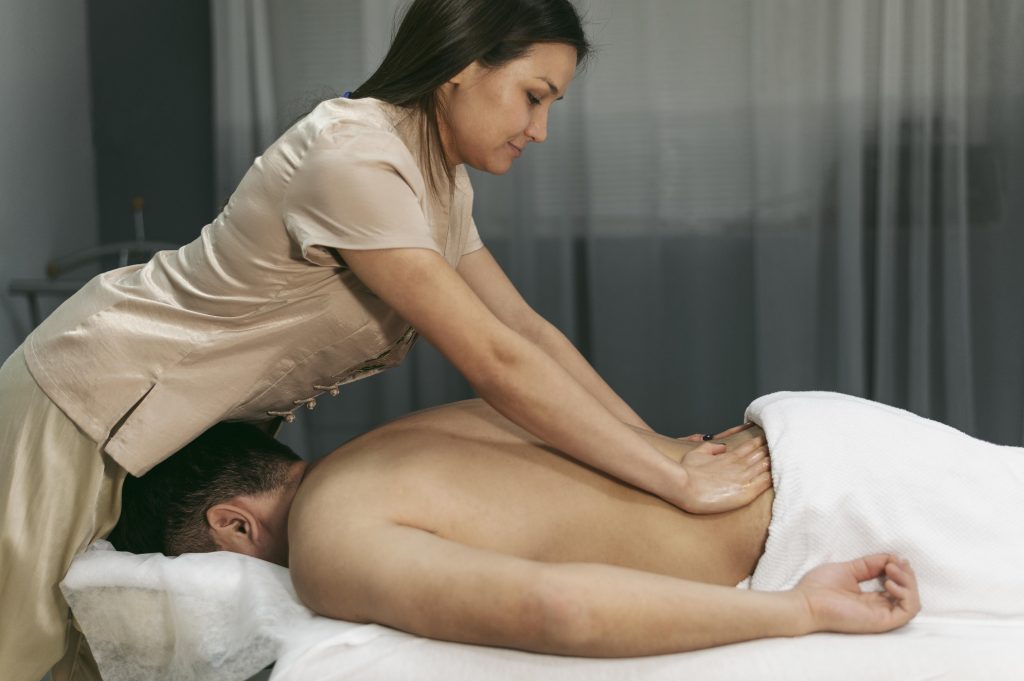
- Deep Tissue Massage – Uses firm, focused pressure to reach deeper muscle layers, breaking down adhesions and improving flexibility.
- Compression Therapy – Uses devices or manual techniques to rhythmically squeeze areas of the body, encouraging blood and lymph flow.
- Myofascial Release – Involves sustained pressure on connective tissues (fascia) to decrease stiffness.
These differ from general relaxation massage by focusing on deeper structures, intent on restoring function rather than just creating comfort.
Fatigue, Stiffness, and Swelling: Signs of Circulatory Issues
Good circulation means that blood and lymph fluid effectively deliver oxygen and essential nutrients while removing waste products. When circulation slows, several issues can arise:
- Fatigue and muscle stiffness.
- Swelling and fluid buildup (edema).
- Delayed recovery from exercise or injury.
- Reduced joint range of motion.
Targeted pressure techniques improve blood flow and lymphatic drainage, helping the body maintain healthier tissue function. Studies have shown that mechanical pressure can promote vasodilation (widening of blood vessels) and enhance nutrient delivery to stressed muscles.
Improving Joint Mobility Through Targeted Pressure
Deep tissue therapy, in particular, uses slow, firm strokes to stimulate deeper muscle fibers and connective tissues. When this pressure is applied:
- Muscles and fascia soften, reducing tension and breaking up scar tissue.
- Blood flow increases, delivering oxygen and nutrients while flushing out metabolic waste.
- Joint mobility improves as tight tissues relax and the range of motion increases.
Many people notice tangible benefits such as easier movement, reduced soreness after activity, and enhanced energy throughout the day, outcomes supported by massage research showing improvements in flexibility and recovery.
Who Can Benefit?
Targeted pressure techniques, including deep tissue therapy, can be valuable for many individuals:
- Athletes and active individuals are seeking faster recovery and improved performance.
- People recovering from injuries or surgeries, where circulation and tissue mobility need support.
- Older adults experiencing age‑related stiffness or slower circulation.
Even those with sedentary lifestyles or long work hours can find relief in improved tissue health and reduced discomfort.
Integrating Targeted Pressure Techniques Into Daily Life
To make the most of these techniques:
- Frequency and duration – Aim for regular sessions (weekly or biweekly) with a licensed therapist.
- Combine with movement – Gentle stretching, mobility exercises, and hydration enhance circulation.
- Consult professionals – Speak with a healthcare provider or licensed massage therapist, especially if you have specific health concerns or conditions.
Safety first, always tailor sessions to your comfort and health status.
Tailored Treatments to Support Circulatory and Musculoskeletal Health
For those searching for deep tissue therapy in Oregon, local licensed professionals offer tailored treatments that support both circulatory and musculoskeletal health. Licensed therapists understand how to apply targeted pressure safely and effectively, helping residents move with less pain and greater ease. Choosing professional therapy not only supports individual wellness but also contributes to broader community health, healthier residents with stronger mobility, and improved quality of life.
Conclusion
Targeted pressure techniques, especially deep tissue therapy, are more than just relaxation tools; they’re scientifically grounded methods for enhancing circulation, reducing muscle tension, and improving mobility. By understanding how these techniques work and integrating them into your wellness routine, you can support long‑term tissue health and move more comfortably every day. Whether you’re an athlete, recovering from injury, or simply seeking better physical function, deep tissue therapy in Oregon offers a powerful, professional pathway to improved circulation and mobility.
Have received multiple great massages from staff here at Sakura Massage. Very reasonable price for a great massage.
Lot of sketchy Asian massage parlors out there, this is not one of them! This is a good quality, great value legitimate massage parlor, was very happy to find this place.
Don’t forget to tip well!
Frank –
I have been to many massage spa’s because I travel for work.
Sakura Massage in Sherwood is WORLD CLASS, professional masseuses with amazing skill to find the affected areas. Great location with a lot of massage rooms and kind, skilled masseuses.
Thank you !
Eden
I have pains in my legs due to problems with my lower back.
This place has a very nice setup and professional.
The massage therapists are top notch. I will return to get my 30 minutes..
E.
The Girls are very professional.
The place is clean and bright; the interior design is very nice…relaxing yellow and red colors. Parking is easy, Access is easy, and it’s totally worth the drive to Sherwood.
I will be going back soon. Thank you Selina!
C. B.
This place is a gem in the haystack of massage studios.
Even though its 35 minutes from my office, it’s worth the drive time.
I will go back next week for a follow-up to my sore shoulder.
Thank you, Sakura!
Teresa
Have received multiple great massages from staff here at Sakura Massage. It’s a very small and tucked away place in Sherwood, but very reasonable price for a great massage.
Lot of sketchy Asian massage parlors out there, this is not one of them! This is a good quality, great value legitimate massage parlor, was very happy to find this place. Don’t forget to tip well!
Love!
Clarence
This massage studio -Sakura – is 40 minutes away from our home, but worth the time to travel. We feel personally that our health is paramount to happiness, calm and stress relief.
the spa is clean, the masseuses are kind, and skilled !
We will return!
Jane and Chris
I went in for pain relief. I have an injury from my 2 year duty in Iraq.
Sakura Massage offers a relaxing environment with calming music and professional staff. They asked me about pain and then began to address the sore spots.
It was the best massage I have had in 5 years. They also provide a Military Veteran’s DISCOUNT! This is very kind and it allowed me to tip well.
I will return !
Lauren
Hi Lauren,
Thank you for your interest in self-managed healthcare and knowing that massage is an important part of physical and mental health.
We appreciate your kind review.
Remember, after 3 more visits you can get 30 minutes FREE! This is a great deal !
Thanks again!
Selina –
Hi Jane and Chris,
Thank you for your kind words.
YES! the Couple’s room is very popular and we are glad you like it.
We hope to see you guys again, soon!
Selina –
Hi Clarence,
Great to see you again.
We feel honored to serve veterans and law enforcement.
Please come back soon.
3 more visits and you get 30 minutes FREE !
Best regards,
Selina –
Hi Teresa,
We have HOT STONES treatment as well for you.
We will use these on your back and shoulder when you come in again.
We look forward to seeing you.
Selina –
Hi Colton,
Thank you for your kind words.
We appreciate your business, and hope you choose us to help you with your personal health needs.
All the best,
Selina –
I went in w/o calling to see what was up. I had to wait 25 minutes …no problem.
The wait was worth it! I am going back again.
Walk-ins are welcome here evidently.
One more thing, the staff a Sakura is kind and respectful!
Thank you Sakura Massage and Spa
Marolyn
I have received multiple great massages from staff here at Sakura Massage.
It’s a very small and tucked away place in Sherwood, Oregon, easy to find off 99W, but very reasonable price for a great massage.
This is a good quality, great value, legitimate massage SPA, was very happy to find this place.
Blessings to Sakura!
Judy
Hello Judy,
Thank you for your kind words.
It was great to see you again.
Remember, we have gift certificates for you to give the gift of relaxation to your family and friends.
Summer is approaching, and we hope to see you again soon.
Selina –
Hello Marilyn,
Thank you for your kind words.
YES! if you visit 3 more times, you get 30 minutes free.
See you soon!
Selina –
Hello Elias,
Thank you for your kind review.
yes, we have a couple’s room for you and your wife, where you can both get a massage TOGETHER at the same time. People who take advantage of this really like it.
Please call ahead to assure the room is available. Call Us at 503-822-5178.
We hope to see you guys soon. Thanks again !
Selina
Hi Gabby,
We appreciate your kind review, and we hope to see you again soon.
Selina –
This massage studio is 20 minutes away from our home, but worth the time to travel. We feel personally that our health is paramount to happiness, calm and stress relief.
the spa is clean, the masseuses are kind, and skilled !
We will return!
Doug
Sakura Massage has a very RELAXING environment. The price is right and the service is excellent.
I will return
Dawn
Great Masseuses at Sakura Massage. It’s conveniently located too !
Reasonable prices and a great value.
Hot Stone treatment at no added cost!
Amazing !
A.
Sakura Massage is a great find!
Its in Sherwood, Oregon and my wife and I love this place and have been going there for months.
Its right off of 99 highway – very convenient, and close to shopping and other health related businesses.
We are very pleased with the work and the prices.
They also have gift certificates for the gift of relaxation to family and friends.
Cheers to Spring Oriental !
Blake and Kathryn
Hi Adrian,
Thank you for your kind words.
We appreciate your business, and hope you choose us to help you with your personal health needs.
All the best,
Selina –
Hi Guys !
Thank you for your kind words.
we appreciate your business, and remember 3 more visits total and you get 30 minutes FREE!
Hot Stones, Hot Shower, Moisturizers and Hot towels are available at no extra charge.
The Couples room is one of our most popular value-added features for couples. We are pleased you like this room.
All the best,
Selina, Eva
Hi Doug
Thank you for your kind words.
YES! the Couple’s room is very popular, and we are glad you like it.
We hope to see you guys again, soon!
Selina –
Hi Dawn,
Thank you for your kind words.
We feel we are one of the best providers in town, and we hope to see you again soon.
Selina, Lilly, Anna
Sakura Massage is the perfect place to find healing massage therapy. With a team of experienced and skilled providers, they offer a range of massage services that cater to your needs, including deep tissue, relaxation, and hot stone massages. With an obvious commitment to customer satisfaction and relaxation, you can trust that they will provide you with a rejuvenating and healing experience. They offer a clean, safe, quiet and relaxing facility.
If you desire, we have a stand-up shower with fresh, clean, hot towels for your convenience.
I will return !
I love the vibe at Sakura Massage in Sherwood.
I recommend this place for professional body work.
JH
I am a mom with 3 children.
Massage is something I deserve, and I do take advantage of this quaint neighborhood massage parlor.
It is easy to find and has everything I want; privacy, nice environment and skilled staff…AND secure private parking !!
I cannot say how many times I feel tense and worried about my MB getting broken into or damaged.
This place is great !
Thank you Sakura Massage !
Have received multiple great massages from staff here at Sakura Massage. Very reasonable price for a great massage.
This is a good quality, great value legitimate massage parlor, was very happy to find this place. It is near my work location.
Don’t forget to tip well!
Sakura Massage is the best in town.
I highly recommend this studio. I have been there 3 times and every time is better than the last.
L.
Hi London,
Great to see you again.
We have gift certificates and if you come 2 more times, you get 30 minutes FREE!
all the best !
Selina
Hello Thomas,
Great to see you again.
Remember… we have Gift Certificates to give the gift or relaxation to your family and friends.
Hope to see you again soon!
Best
Selina & Lilly
Hi Luis,
We appreciate your kind review, and we hope to see you again soon.
Selina –
Reply
Hi Brittnay,
Thank you for your kind words. Yes, we have never had any problems with parking. We have a safe, well-respected business.
We hope to see you again soon.
Thanks again!
Selina –
Sakura Massage is the best place around for relaxing massage.
I drive from Tualatin and its definitely worth my time. Fifi is very professional and highly skilled.
I am going back for more because I get free time after 3 more visits. My lower back is much better as a result!
Betty
Great staff. English is a second language so bring your phone and use the Translation tool.
Selina was great, and very very skilled at massage with women. Her English is actually really good.
My husband and I have had good experiences with everyone at Sakura. We love it! very professional. and the couple’s room is awesome!
We will go back again soon.
Anne, David
I am impressed with the professionalism of the staff at Sakura Massage.
If you want good bodywork, go to Sakura in Sherwood.
M.
Sakura Massage and Spa is the best place around for relaxing massage.
I drive from Tualatin and its definitely worth my time.
Casey is very professional and highly skilled.
WOW! I am going back for more.
Annette
Hi Annette,
Thank you for your kind words.
We appreciate your business and hope to see you again soon. Remember to bring your Veteran’s ID next time to get the Vets Discount. We appreciate your service.
All the best.
Selina –
Hi Madelyn,
Thank you for your interest in Sakura.
Its customers like you that make our work very enjoyable.
Thank you again.
Selina, Lilly and Eva
Hello Harsh,
We appreciate your business and hope to see you again soon.
Best Regards,
Selina –
I love the location.
I opted for a 90-minute Whole Body massage and received the INCREDIBLE Hot Stone treatment. AMAZO+ING !
Sekina and Fifi are great masseuses.
I will return.
KT
Muchos Gracias to Sakura Massage and Spa.
I went in for 30 minutes and added 30 more minutes.
Very nice place.
Carlos
Sakura Massage is great. They are the best professional massage in the West Hills.
I will return
BC
Hi Brandy,
Thank you for your kind words. We hope to see you again soon.
Selina –
Hi Carlos,
Great to see you and thank you for stopping by.
The better we know you the better the massages get.
Selina –
Hi Kathy,
I appreciate your kind words.
The better we know you, the better we can address your needs.
Best wishes,
Selina –
Hi Betty,
Great to see you again and thank you for the kind reviews.
We appreciate your business and hope to see you again soon.
Selina, Fifi
Great find near my house. The place is clean, tidy, has a “my house” interior feel with tasteful art hanging on the rooms and hallways.
Going there is like taking a Mini-Vacation..seriously ! The massage was first-class and addressed all stress points. I will go back.
Cheers to Sakura Massage !
Amalia
this place is great.
It is close to my house, and I went in w/o calling to see what was up. I had to wait 15 minutes …no problem.
The wait was worth it! I am going back again.
H.
Have received multiple great massages from staff here at Sakura Massage. It’s a very small and tucked away place in Sherwood, but very reasonable price for a great massage. Lot of sketchy Asian massage parlors out there, this is not one of them! This is a good quality, great value legitimate massage parlor, was very happy to find this place. Don’t forget to tip well!
Blessings to Sakura!
Alina
Sakura Massage is the best place around for relaxing massage.
I drive from Tualatin and its definitely worth my time. Casey is very professional and highly skilled.
WOW! I am going back for more.
Josue
Hi Josue,
We really appreciate your review. We try our best to supply the best quality and most relaxing massage possible.
Next time, ask for Hot Stones, THIS TREATMENT IS AMAZING and there is no added cost!
See you soon!
Selina –
Hi Alina,
Thank you for your kind words.
Remember, we have gift certificates for you to give the gift of relaxation to your family and friends.
See you soon!
Selina –
Hi Amalia,
It was great to meet you, and thank you for the kind words.
We look forward to seeing you again.
Remember, if you visit us 4 more times, you get 30 minutes FREE!
Selina –
Hi Hermione,
Thank you for your kind words.
We appreciate your feedback.
Regards,
Selina –
I have pains in lower back due to problems with my knee. it sounds strange, but this injury affects my posture.
I went to Sakura Massage yesterday for a 90 minute deep tissue and experienced fantastic service. Very nice setup and professional. The massage therapists are top notch. Lily calmed downed my sciatica nerve. Big relief.
I have had a few hundred massages from different parts of the world. I am glad to find this wonderful spa. I definitely recommend this place. Use your phone to for directions. Attached is a picture of the building.
I will return !
Great Massage Studio I just discovered.
Staff is very professional, kind, and highly skilled.
I look forward to my next appointment.
G.
Hi Priscilla,
Thank you for your kind words.
We hope to see you again soon.
Selina –
Hello Genevieve,
Thank you for your kind words.
Remember, 3 more visits and you get 30 minutes FREE!
Selina –
This is the best massage place near me I have found.
Great staff with a ton of skill.
The place is clean, and the prices are low.
Be sure to tip if satisfied. I wanted to tip $40 but only had $35. I will be coming back!
August
I have a reoccurring condition with my lower back. These girls really know how to balance pressure and time.
It’s an amazing feeling to go in and relax in a private room. The interior is fantastic; the music is superb, and the girls are kind, humble and talented.
I will go back. They also have couple’s room, which is a great idea
E.
Hi August,
Thank you for your generous tipping. We really appreciate it.
Next visit, bring your military ID and receive a discount!
Best to you and your family,
Selina –
Hi Enrique,
Thank you for your kind words.
If you bring your wife, be sure to call in and book the time in our couple’s room. This room is very popular.
…we get busy on the weekends.
Thank you for your support.
Sakura Massage is a great find! My wife and I love this place and have been going there for months. Its right off of 99W and close to shopping and other health related businesses. W
e are very pleased with the work and the prices. They also have gift certificates for the gift of relaxation, and this is great.
Levi
I was shopping a distance from my house and saw this cute and cozy massage shop on Langer Drive in Sherwood. I didn’t notice it before, so I went in to see if they could address my sore back issues.
I was right in this guess and Fifi did a great job in applying pressure and hot towels to soothe the soreness. I think it will be beneficial to return for more work. One time is not enough to achieve lasting results.
The prices are reasonable and this allows tipping and multiple visits.
Cheers to Sakura Massage!
BC
I am impressed with the interior; there is attention to detail, and this relates to comfort and relaxation.
Good job Sakura, I will return !
Kourtney
Sakura Massage is wonderful place. The staff is very professional.
Selina is the best!
Riley
I love this place. its classy and professional.
I will return
Jordyn
My daughter and I go into Sakura together and get a couples massage room. This is EXCELLENT! Lindy is 16 YO and parents can bring their minor children ! This is great, as it gives me time to chat with my busy busy teen.
I recommend Sakura in Sherwood to anyone.
Elinor
Great Massage studio! Close to main shopping and restaurants in Sherwood.
This place is a valuable community asset, and we are thankful for this place.
Thank you Selina and FiFi
All the best,
Jake
Hi Levi,
Thank you for your kind words.
We hope to see you again soon, and remember, if you schedule 3 more visits you get 30 minutes FREE.
Its customers like you that make our work fun and rewarding !
Thanks again !
Selina –
Hi Jake,
Thank you for your kind review.
We are happy you stopped by while visiting from Hood River Oregon.
We hope to see you again soon.
Selina –
Hello Riley,
Thank you for your interest in self-managed health care.
YES, Massage is and important part of managing one’s health.
We hope to see you again soon.
Selina –
Hi Bridget,
Great to see you again.
We feel honored to serve law enforcement. Thank you for your service!
Please come back soon.
4 more visits and you get 30 minutes FREE !
Best regards,
Selina –
Fifi and Selina are the BEST !
I recommend Sakura any time.
Rosa
Hello Rosa,
We appreciate your interest in our Spa.
Remember, you get 30 minutes FREE with only 2 more visits.
See you soon!
Selina, Fifi
Hi Elinor,
Thank you for your kind words.
We appreciate your business and it is a joy to work with you and your daughter.
We hope to see you again soon!
Selina –
Hi Jordyn,
it was great to see you come in for your 2nd visit to our shop. This is why we do what we do…because we customers like you really make our work enjoyable !
Best of luck and we hope to see you again soon.
Selina, Fifi
Hi Kourtney,
Thank you for your kind words.
We hope to see you again very soon. And remember, after 3 more visits you get 30 minutes FREE!
Selina –
I highly recommend this massage spot. There are many places to choose from and some are not very good.
I will return!
Delia
in my culture, massage is considered to be a medical healing art. The folks at Sakura Massage live up to his standard.
Great environment, talented masseuses and great prices.
I will return!
Ava
This place is great. The gals are kind, professional and skilled.
I called and got in in 30 minutes !
I tipped $40 on a 60 minute session.
Good place to know about
R,
Hi Raymond,
We appreciate your business and hope to see you again soon.
Best,
Selina –
Hi Delia,
Thank you for your kind words.
We hope to see you again very soon.
Remember, after 3 more visits you get 30 minutes FREE!
Thank you again,
Selina –
Hello Ava,
Thank you for your kind words.
We appreciate your business, and hope to see you again soon.
Selina, Lilly, Fifi
Sakura is a quality massage studio. The interior is relaxing and calming.
I enjoy the work they do and I highly recommend Fifi or Selina
Darby
Great Massage Studio I just discovered.
Staff is very professional, kind, and highly skilled.
I look forward to my next appointment.
Amber
Sakura Massage and Spa is the BEST place in Portland to get a massage.
Lilly,
Casay and Selina are great providers.
Its a small shop, but this is what we want …personalized care and personalized massage.
I will be back !
Hello Darby,
Thank you for your kind words.
We appreciate your business, and hope to see you again soon.
Best,
Selina –
Hi Amber,
Thank you for your kind words.
Remember, you get 30 minutes FREE with 4 more visits !
See you soon!
Selina –
Hello Evie,
Thank you for your kind feedback.
Our mission is to serve the sore, weary and stressed-out brothers and sisters.
We look forward to seeing you again.
Selina –
I really like this massage studio.
Its relaxing and the masseuses are kind and talented.
I suggested my husband go and her greatly enjoyed the session.
Ava
The masseuses at Sakura really know what they are doing.
I recommend this place to anyone; the atmosphere is perfect for relaxing massage.
And the prices are affordable.
Sergio
Sakura Massage is a great place. My sister and I recommend this place to all in search of peace, relaxation and bliss. We also got the couple’s room. Its great to get a massage at Sakura Massage in Sherwood.
Connie
This is the best massage place near me I have found.
Great staff with a ton of skill.
The place is clean, and the prices are low.
Be sure to tip if satisfied. I wanted to tip $40 but only had $35. I will be coming back!
Ivy
Hello Ivy,
Thank you for your kind words.
We try to offer the best massage service possible. And the more you schedule, the better we know you, and better and more lasting the massage will be.
See you soon!
Selina –
Hello Connie,
We appreciate your kind words.
We hope to see you again soon. At your next visit, get a Deep Tissue adder for only $10 and receive the Hot Stone Treatment for no added charge.
We feel Sakura Massage is the best Massage available in Portland, Tualatin, Sherwood and beyond.
Remember at Sakura Massage Sherwood, after 3 more visits you get 30 minutes Free!
See you in Sherwood again Soon!
Selina –
WOW! Great staff.
Selina was great, and very very skilled at massage with women.
Both my husband and I have had good experiences with everyone at Spring Oriental Massage.
We will go back again soon.J
I am in Newberg and this drive to Sakura is definitely worth it. Its an Oasis of peace.
I will return.
Joel
ps – the HOT STONES are amazing !!
WOW!
Sakura is a WORLD CLASS MASSAGE provider.
I have been there 3 times and EVERY time the service is outstanding.
Fifi and Selina are very good !
I recommend them and will return
Callie
Hi Callie,
Thank you for your kind words. We hope to see you again soon because after 2 more visits you get 30 minutes FREE!
Gift Cards are available too and these count towards that 30-minute credit.
See you soon !
Selina –
Hello Joel,
Thank you for your kind words.
We appreciate your business and hope to see you again soon.
Selina, Fifi, Lilly
Hello Janelle,
Thank you for the good review.
Remember, 1 more visit and you get 30 minutes FREE!
See you soon!
Selina, Fifi, Lilly
Great Massage Studio I just discovered.
Staff is very professional, kind, and highly skilled.
I look forward to my next appointment.
Cheers to Sakura !
Lily
I have a condition with my lower back. These girls really know how to balance pressure and time.
It’s an amazing feeling to go in and relax in a private room. The interior is fantastic; the music is superb, and the girls are kind, humble and talented.
I will go back. They also have couple’s room, which is a great idea. Mt husband and I will try this next time we go to Sakura
B,
WOW! I had the most wonderful massage EVER!
This place, Sakura in Sherwood, is now on my list of places to return. Selina is GREAT, Fifi too.
Best!
Oliva
vary nice facilities, and parking is very easy.
I will return
M.
My lower back and right shoulder are the issues, and Sakura Massage is where I went, and I was impressed.
The facility is warm, nicely decorated and relaxing.
The masseuses are obviously experienced. I Tipped $50
Hello Gina,
We appreciate your business and hope to see you again soon.
Remember, 2 more visits and you get 30 minutes FREE!
See you soon
Selina –
Hello Mateo,
Thank you for your kind words.
We discussed the Couple’s Room, and the advantages of twin massage work. That said, we hope to see you and your wife, Soon.
Selina –
Hello Beverly,
We appreciate your kind review and hope to see you again soon.
Selina –
Hello Lilly,
Thank you for your kind review. Its customers like you that make our work rewarding.
Selina –
Hello Sergio.
Thank you for your kind words.
We hope to see you again soon.
Selina –
Hello Ava,
Thank you for your kind words.
The better we know you, the better we can help with your lower back issues.
Kind Regards,
Selina
Good work,
This massage studio -Sakura – is 40 minutes away from our home, but worth the time to travel. We feel personally that our health is paramount to happiness, calm and stress relief.
the spa is clean, the masseuses are kind, and skilled !
Cheers to Sakura!
Sia
Hello Sia, Thank you for your kind review.
We hope to see you again soon.
Selina –
Sakura is quality massage spa.
I will not go anywhere else.
Best,
Max
Hi Max,
Thank you for your kind words.
We appreciate your business.
Remember, 2 more visits and you get 30 minutes FREE with a 60 – 90 minute session, and this session counts towards another 30 minutes FREE!
Selina, Helen, Apple
If you want a good massage at a decent price and want to be able to tip some at the end of it all…go to Spring Oriental Massage and Spa, ask for Anna or Lilly.
These gals are very professional.
C.
Hello Colt,
We understand your injury.
The more we see you the better the sessions are.
Best!
Selina
Spring Oriental Massage is a great find! My wife and I love this place and have been going there for months. Its right off of TV Highway and close to shopping and other health related businesses. We are very pleased with the work and the prices. They also have gift certificates for the gift of relaxation!
Elaine
I have reoccurring tendonitis and Sakura Massage really knows what to do. Selina said that the more I come in the better the masseuses know how to help.
She was right !
I plan on being a regular customer.
Best to Sakura !
Steve
I went in w/o calling to see what was up. I had to wait 25 minutes …no problem.
The wait was worth it! I am going back again.
Millie
Hi Millie,
Thank you for your kind words.
We appreciate the review.
Remember, after 3 more visits you get 30 minutes FREE with a 60 – 90-minute session.
WE hope to see you again soon.
Selina –
Hello Steve,
Thank you for your kind words.
Its customers like you that make our work enjoyable.
See you again soon!
Selina, Apple
Hi Elaine,
We are happy to provide you with the best massage in the West Hills area.
Thank you for mentioning your husband is a veteran of the US Military.
We give discounts, so bring your ID when you guys come in!
Selina –
Sakura Massage in Sherwood is a great find!
My Husband and I love this place and have been going there for months – they have a couples room where we get simultaneous body work done…its great!
Its right off of 99 W Highway and close to shopping and other health related businesses.
We are very pleased with the work and the prices. They also have gift certificates for the gift of relaxation for family!
This place is classy!
Zoey
Hi Zoey,
We appreciate your kind words.
Remember, if you bring your military ID, you get a 10% discount.
See you soon.
Selina –
Sakura Massage is a great find!
I will return!
DM
Hello Dominic,
We really appreciate your review. We try our best to supply the best quality and most relaxing massage possible.
Next time, ask for Hot Stones, THIS TREATMENT IS AMAZING and there is no added cost!
See you soon!
Lilly, Cindy
Great Masseuses, Great Massage!
Highly Recommended !
R
Hello Raphael,
It was great to see you again.
We look forward to seeing you.
PS We have Gift Certificate to give the gift or relaxation to your friends and family! we hope to see you again soon.
Selina –
This massage studio is 40 minutes away from our home, but worth the time to travel. We feel personally that our health is paramount to happiness, calm and stress relief.
the spa is clean, the masseuses are kind, and skilled !
We will return!
A.
Hi Adalyn,
We really appreciate your review. Next time, ask for Hot Stones, THIS TREATMENT IS AMAZING and there is no added cost!
See you soon!
Selina –
This place is a gem in the haystack of massage studios.
Even though its 35 minutes from my office, it’s worth the drive time.
I will go back next week for a follow-up to my sore shoulder.
Thank you, Sakura Massage.
A.
Hi Adalyn,
We have HOT STONES treatment as well for you.
We will use these on your back and shoulder when you come in again.
No extra charge – free with 60- or 90-minutes appointment.
We look forward to seeing you.
Selina –
Best massage place in Sherwood area. There are a few, but all are a little sketchy. This place is legit.
Jillian
Hi Jillian,
Thank you for your kind review.
We hope to see you again soon.
Selina –
Manager, Sakura Massage and Spa – Sherwood, Oregon