
Persistent muscle tension is something many people try to ignore or simply stretch away. You may notice tight shoulders after long hours at a desk, stiffness in your neck that never fully relaxes, or aching muscles that seem to return no matter how much rest you get. While it may feel like a normal part of daily stress or physical activity, ongoing muscle tension is often your body’s way of signaling that something deeper needs attention.
Muscles tighten for many reasons, such as repetitive movements, poor posture, emotional stress, physical strain, or even imbalances in the way your body moves and supports itself. Over time, these patterns can lead to trigger points, restricted fascia, and reduced circulation in soft tissues, which prevents muscles from fully relaxing. When this cycle continues, the tension doesn’t simply “go away.” Instead, it becomes a chronic pattern that affects flexibility, comfort, and overall physical function.
This is where skilled hands-on bodywork and soft tissue techniques can make a meaningful difference. By focusing on muscle layers, connective tissue, and areas where tension is stored, trained practitioners can help restore circulation, release tight structures, and support the body’s natural recovery process. Understanding what your body is signaling through persistent tension is the first step toward addressing the root cause, not just the symptoms, and restoring healthier movement and relaxation. Keep reading.
Understanding Persistent Muscle Tension
Not all muscle tension is the same. Temporary tightness can happen after exercise or minor strain, but chronic muscle tension tends to:
- Last for weeks or months.
- Return to the same areas repeatedly.
- Limit the range of motion.
- Causes discomfort during everyday activities.
When muscles stay contracted for long periods, they can create trigger points, inflammation, and restricted blood flow.
Common Signs Your Body Is Holding Too Much Tension
Persistent muscle tension often appears through several warning signs, including:
- Tight neck and shoulders.
- Frequent headaches or tension headaches.
- Lower back stiffness.
- Jaw tightness or teeth grinding.
- Limited flexibility or mobility.
- Fatigue or muscle soreness without heavy activity.
These symptoms are your body’s way of signaling that something deeper may be affecting muscle function.
What Causes Muscle Tension That Won’t Go Away?
Chronic Stress and the Mind-Body Connection
When the body experiences stress, the nervous system activates a “fight-or-flight” response. Muscles tighten as part of this protective mechanism. If stress continues for long periods, muscles may never fully relax, leading to ongoing stiffness and pain.
Poor Posture and Modern Work Habits
Many people spend hours sitting at computers, looking down at phones, or driving long distances. These habits place continuous strain on muscles in the:
- Neck.
- Shoulders.
- Upper back.
- Lower spine.
Over time, poor posture can cause muscles to adapt to unhealthy positions.
Repetitive Movements and Physical Strain
Certain occupations and activities require repeated movements that overload specific muscle groups.
Examples include:
- Typing or computer work.
- Manual labor.
- Lifting or carrying frequently.
- Athletic training.
Without proper recovery, these muscles may remain tight and overworked.
Old Injuries That Haven’t Fully Healed
Even minor injuries can create compensations in the body. Muscles around an injured area may tighten to protect it, and this protective tension can persist long after the injury heals.
How Muscle Tension Affects the Whole Body?
Chronic tension doesn’t just cause soreness. It can impact multiple systems, including:
Circulation
Tight muscles restrict blood flow, limiting oxygen and nutrient delivery.
Nervous System
Muscle tension can irritate nearby nerves, contributing to pain or numbness.
Mobility
Restricted muscles can limit joint movement and flexibility.
Over time, this cycle may lead to chronic pain patterns if not addressed.
How Massage Therapy Helps Release Persistent Muscle Tension?
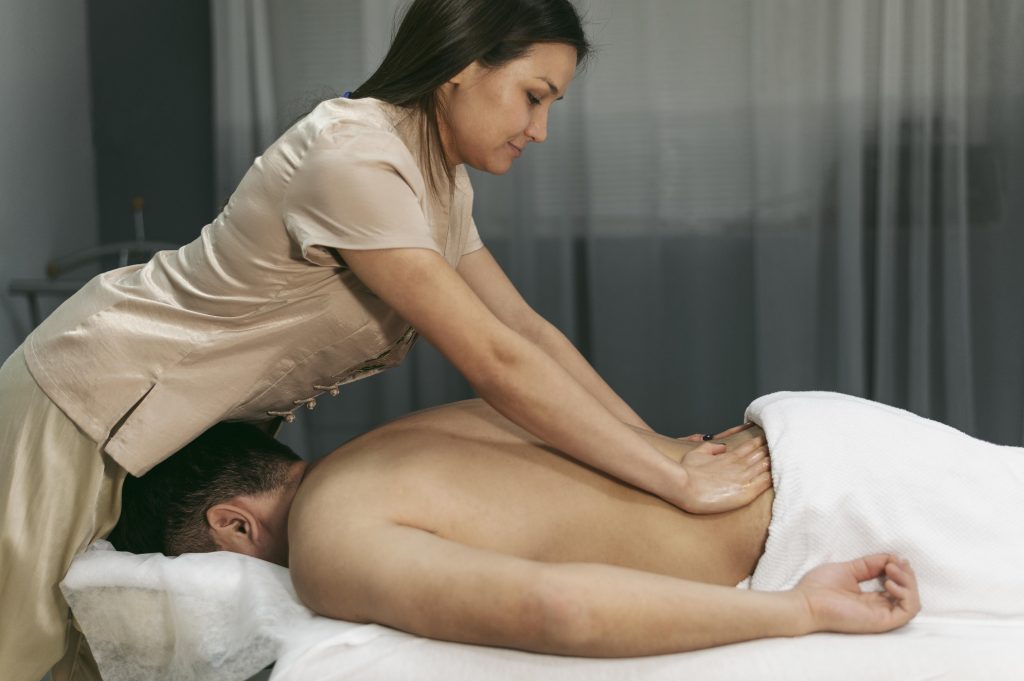
Professional massage therapy in Oregon wellness clinics focuses on restoring balance in the body’s soft tissues.
Massage therapy works by:
- Releasing tight muscle fibers.
- Improving blood circulation.
- Reducing inflammation.
- Supporting nervous system relaxation.
- Breaking up trigger points.
By addressing both the muscles and the nervous system, massage therapy can help the body shift out of a constant tension state.
Types of Massage That Help With Chronic Muscle Tightness
Different massage techniques target muscle tension in different ways.
Deep Tissue Massage
Targets deeper muscle layers to release stubborn tension and adhesions.
Therapeutic Massage
Focuses on overall muscle balance and relaxation.
Trigger Point Therapy
Addresses specific tight knots that cause referred pain.
Myofascial Release
Works with connective tissue to improve flexibility and mobility.
A trained massage therapist can determine which approach is most effective for each individual.
When to Consider Massage Therapy for Ongoing Muscle Pain?
You may benefit from professional care if you experience:
- Muscle tension that lasts longer than a few weeks.
- Recurring headaches linked to neck or shoulder tightness.
- Limited mobility or stiffness.
- Pain that interferes with work or sleep.
- Stress-related muscle tightness.
Seeking help early can prevent tension from developing into chronic pain conditions.
Supporting Muscle Health Between Massage Sessions
While the massage therapy Oregon providers offer can be highly effective, daily habits also play an important role.
Helpful strategies include:
- Regular stretching.
- Proper posture at workstations.
- Staying physically active.
- Managing stress levels.
- Hydration and balanced nutrition.
These habits support the benefits of therapeutic care.
The Bottom Line
Persistent muscle tension isn’t something your body creates without reason. It’s often a signal that stress, strain, or imbalance needs attention. By recognizing these signals early and addressing the root causes, it’s possible to restore comfort, movement, and long-term physical well-being.
For many people, the massage therapy Oregon wellness professionals provide offers a safe and effective way to release built-up tension, support recovery, and help the body return to a healthier, more relaxed state.conr